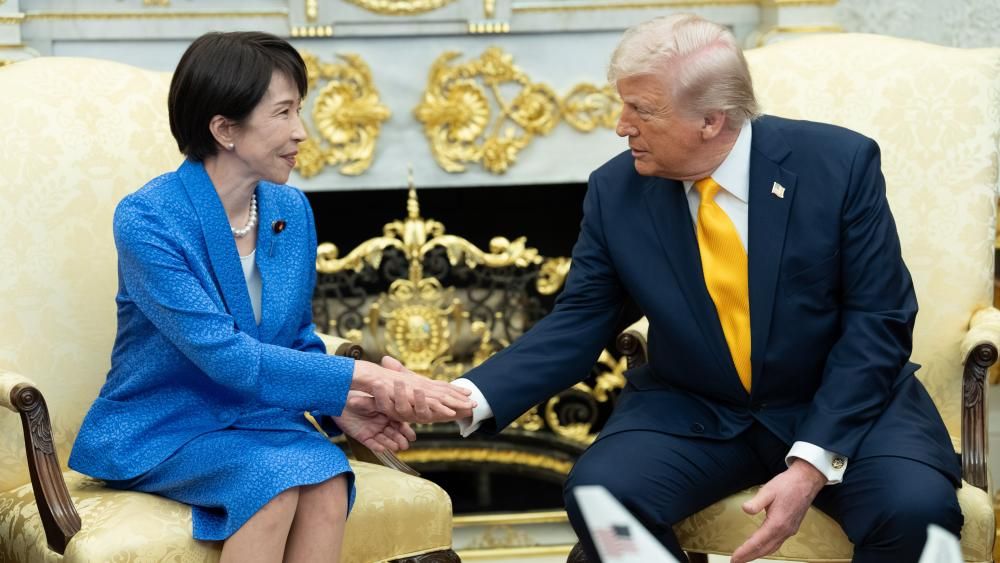
On Friday, August 1, the US Treasury and Japan's Ministry of Finance conducted a coordinated intervention to buy JPY. This was the first joint yen-buying operation between the two countries since 1998, during the Asian financial crisis. USD/JPY had touched roughly 164 in late July, a four-decade low for the yen. After the intervention it strengthened to around 157.6 and has since held below 160.
The mechanics matter more than the headline. The New York Fed, acting as fiscal agent for the Treasury's Exchange Stabilization Fund (ESF), sold EUR holdings to buy JPY. A photographed note in front of Treasury Secretary Scott Bessent suggested a target of USD 5 to 10 billion. Both governments confirmed the action and stated they will not hesitate to intervene again.
The significance is not the amount. It is who acted, and how.
Until now, defending the yen was Tokyo's problem alone. Japan spent JPY 11.73 trillion between April and May 2026 with limited lasting effect, funding much of it by drawing down USD reserves. The constraint was always visible: Japan's firepower was finite, and selling US Treasuries to raise dollars would push US yields higher, which Washington cannot afford.
The August operation removes that constraint in two ways.
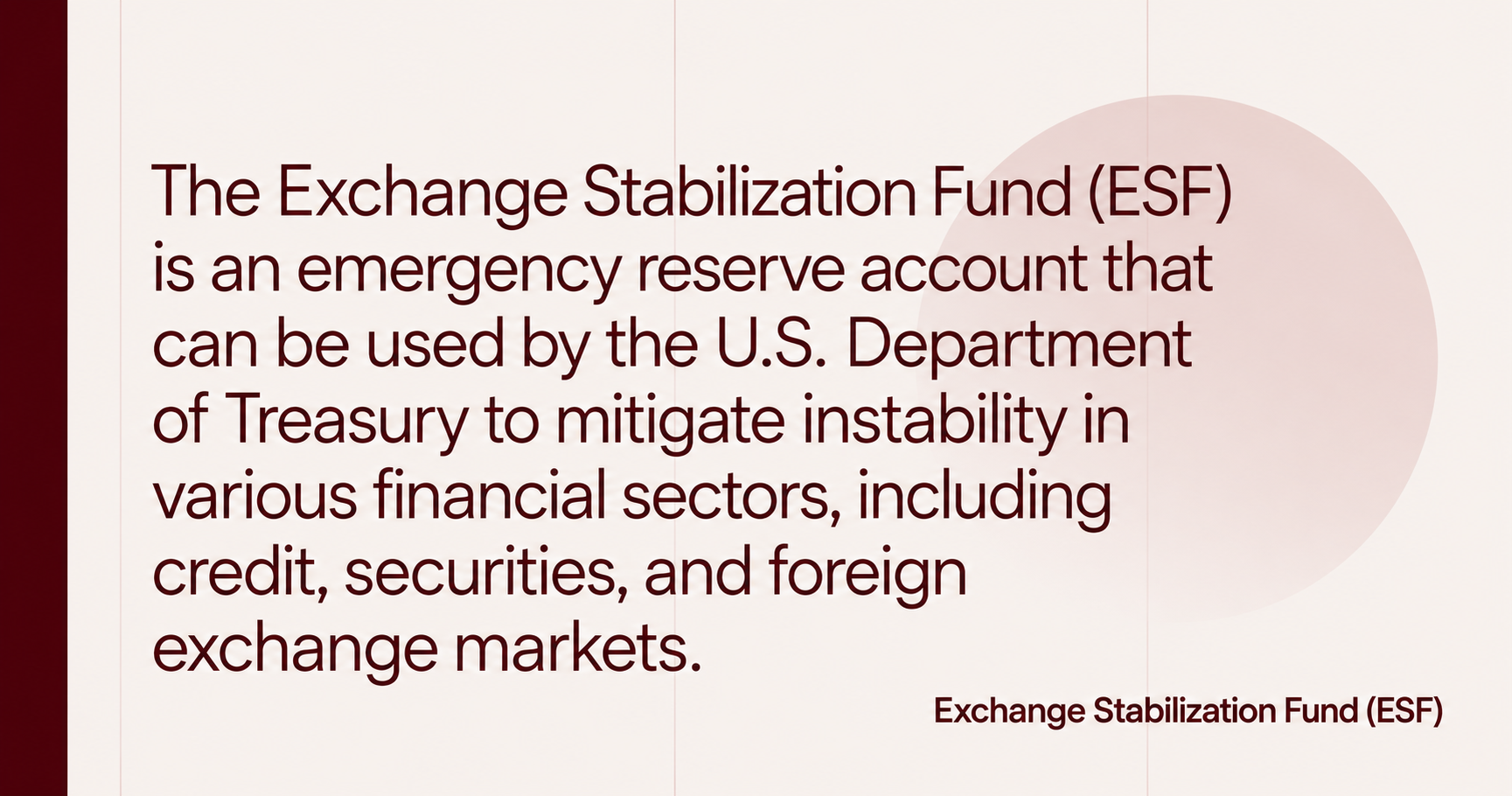
First, the ESF gives the US a vehicle to support the yen using its own resources, without Congressional approval and without touching Treasury markets. The same fund backed Argentina's peso in late 2025 with a USD 20 billion swap line. The playbook is now established: the ESF is an instrument of statecraft.
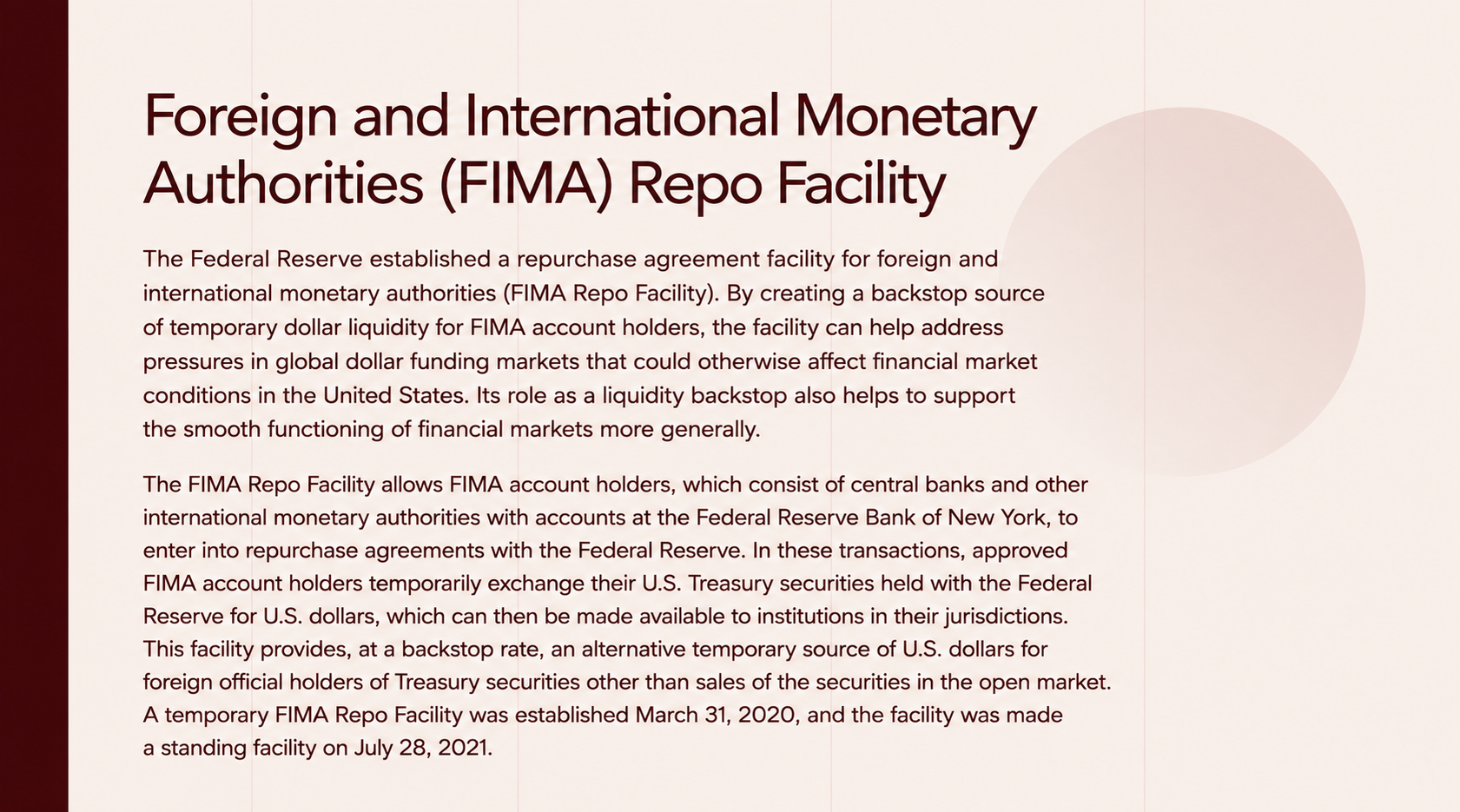
Second, Japan's MoF announced it plans to use the Fed's FIMA repo facility for future interventions. This facility lets the Bank of Japan borrow USD against its Treasury holdings instead of selling them. In practical terms, Japan can now access dollar liquidity at scale without becoming a forced seller of US debt. The message to the market: Japan's capacity to buy JPY is no longer capped by its willingness to liquidate reserves.
Speculators shorting the yen are no longer trading against one finance ministry. They are trading against two, one of which issues the world's reserve currency.
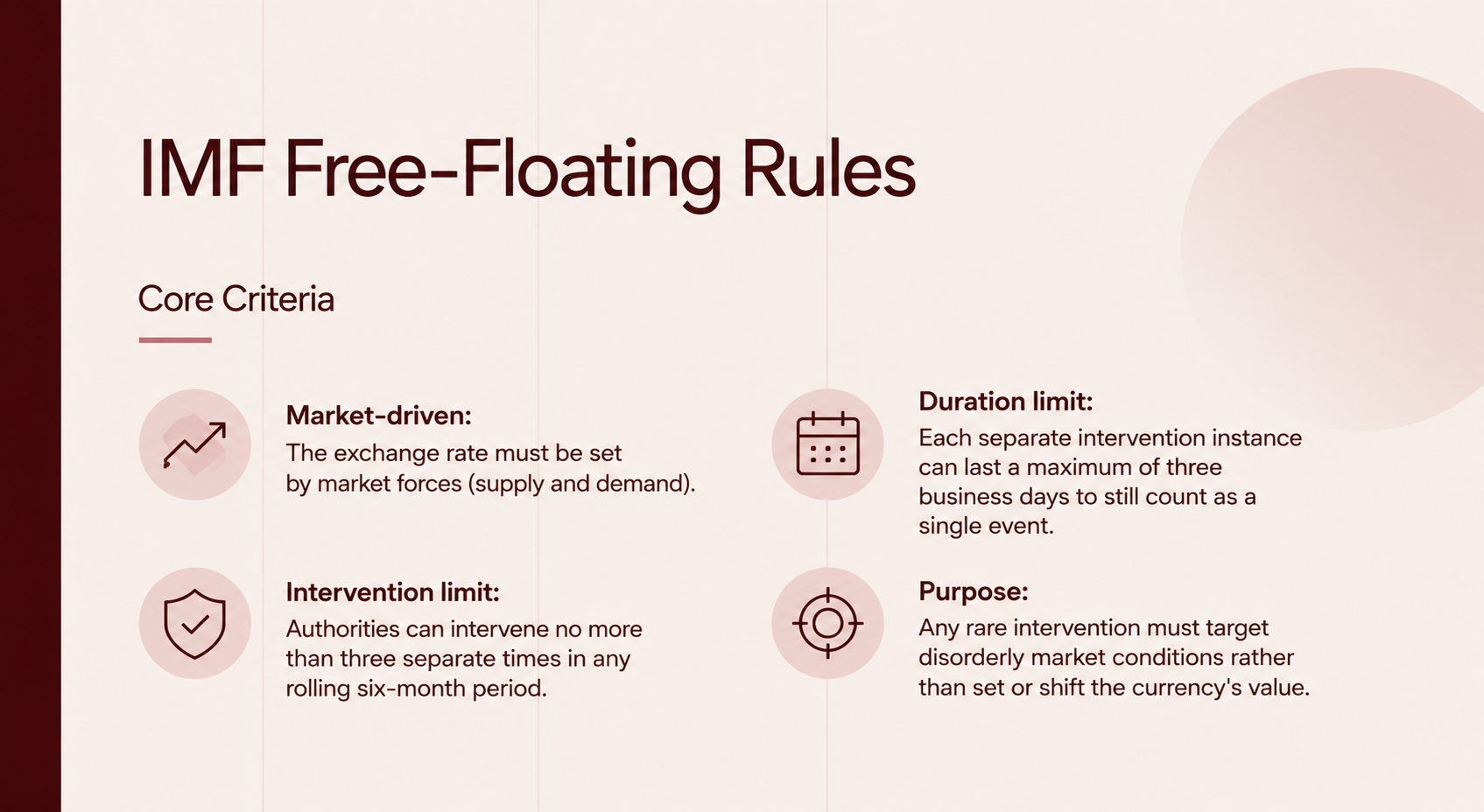
There is a boundary on how often this can happen. Under the IMF's classification framework, a currency qualifies as free floating only if authorities intervene at most three times in any rolling six-month window, with each episode lasting no more than three business days. Free-floating status is what attracts deep, unrestricted capital flows; neither Tokyo nor Washington wants the yen reclassified as a managed currency.
The August operation is Japan's second intervention episode in the current window. That leaves limited room before year-end. Markets understand this arithmetic, which creates a predictable rhythm: speculative pressure builds when the intervention quota looks exhausted, and recedes when the window resets.
Note on inflation: intervention of this kind is not stimulus. Yen purchased by authorities does not flow into household spending. It absorbs currency supply rather than adding demand for goods, which is why coordinated FX operations historically carry little inflationary signature in either economy.
The JPY carry trade, borrowing cheaply in yen to fund higher-yielding assets, now faces asymmetric risk. The funding currency has an explicit two-government backstop below its lows, while the Fed's easing path narrows the rate differential that made the trade profitable. Each incremental Fed cut compresses the carry; each intervention headline raises the cost of being caught short. Positioning data already shows speculative yen shorts being trimmed.
For leveraged players, the calculus has shifted from "collect carry, ignore tail risk" to "collect shrinking carry, insure against policy risk."
HOPA does not forecast exchange rates. What we track is the structural setup, and it has changed: the yen's downside is now politically defended by both Tokyo and Washington, while the interest rate gap that drove USD/JPY to 164 is narrowing. A disorderly further yen collapse has become materially less likely.
For allocators holding or entering Tokyo real assets, this reduces the currency-overshoot risk that complicated entry timing through 2025 and early 2026. Assets acquired during the period of extreme yen weakness carry an embedded revaluation option if the currency regime normalizes. The intervention did not create that option. It insured it.

-min.jpg)